Personalized Design: Spaces that Reflect Your Lifestyle

Creating a space that truly reflects your lifestyle is not just about aesthetics; it’s about crafting an environment that resonates with who you are. Personalized design goes beyond mere decoration; it embodies your values, interests, and daily routines. Whether you are a busy professional, a creative artist, or a family person, your space should tell your story. In this blog post, we will explore how to create personalized designs that resonate with your lifestyle, offering practical tips and inspiring examples along the way.
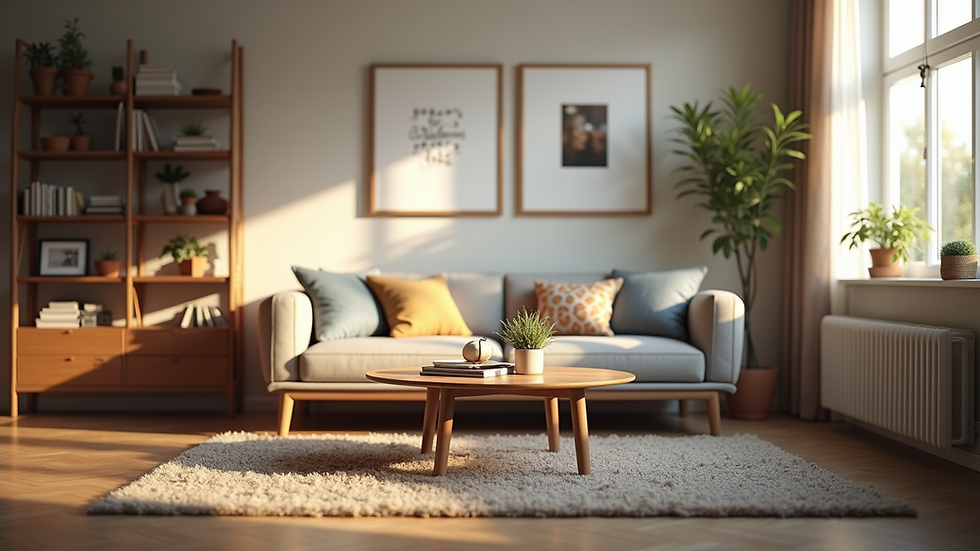
Understanding Personalized Design
Personalized design is the art of tailoring your living or working space to reflect your unique personality and lifestyle. It involves selecting colors, furniture, and decor that not only look good but also serve a purpose in your daily life. Here are some key aspects to consider:
The Importance of Personalization
Emotional Connection: A personalized space fosters a sense of belonging and comfort. When your environment reflects your tastes and preferences, it becomes a sanctuary where you can relax and recharge.
Functionality: Personalized design ensures that your space is functional. It considers how you use your space daily, making it easier to navigate and enjoy.
Aesthetic Appeal: A well-designed space is visually appealing. Personalization allows you to curate a look that resonates with your style, whether it’s modern, rustic, or eclectic.
Elements of Personalized Design
To create a space that reflects your lifestyle, consider the following elements:
Color Palette: Choose colors that evoke the right emotions for you. Warm tones can create a cozy atmosphere, while cool tones can promote calmness.
Furniture Selection: Opt for furniture that suits your lifestyle. If you entertain often, consider larger seating arrangements. For a minimalist approach, select multifunctional pieces.
Decorative Items: Incorporate items that tell your story. This could be artwork from your travels, family photos, or handmade crafts that hold sentimental value.
Assessing Your Lifestyle
Before diving into design, take a moment to assess your lifestyle. Understanding how you live, work, and play will guide your design choices. Here are some questions to consider:
How do you spend your day? Identify your daily routines and activities. Do you work from home? Do you host gatherings? This will help you determine the functionality needed in your space.
What are your hobbies? Incorporate elements that reflect your interests. If you love reading, create a cozy reading nook. If you enjoy cooking, design a kitchen that inspires culinary creativity.
Who shares your space? If you live with others, consider their needs and preferences as well. A harmonious space accommodates everyone’s lifestyle.
Practical Tips for Personalized Design
Now that you have a better understanding of personalized design and your lifestyle, let’s explore some practical tips to help you create a space that truly reflects who you are.
Start with a Vision Board
Creating a vision board can help you visualize your design ideas. Gather images, colors, and textures that inspire you. This can be done physically with magazine cutouts or digitally using platforms like Pinterest. A vision board serves as a guide throughout your design process.
Choose a Focal Point
Every room should have a focal point that draws the eye. This could be a piece of artwork, a statement piece of furniture, or even a unique architectural feature. Once you have a focal point, arrange your furniture and decor around it to create a cohesive look.
Layer Textures and Patterns
Incorporating various textures and patterns adds depth and interest to your space. Mix materials like wood, metal, and fabric to create a dynamic environment. For example, pair a sleek leather sofa with a soft wool throw and a textured rug for a balanced look.
Personalize with Art and Decor
Art and decor are powerful tools for personalization. Choose pieces that resonate with you, whether they are paintings, sculptures, or handmade crafts. Display them prominently to create a gallery-like feel in your home.
Incorporate Nature
Bringing nature indoors can enhance your space’s ambiance. Consider adding plants, flowers, or natural materials like wood and stone. Not only do they add beauty, but they also improve air quality and promote well-being.
Optimize Lighting
Lighting plays a crucial role in setting the mood of your space. Use a combination of ambient, task, and accent lighting to create a warm and inviting atmosphere. Consider dimmable options to adjust the brightness according to your needs.
Inspiring Examples of Personalized Design
To further illustrate the concept of personalized design, let’s look at some inspiring examples that showcase how individuals have transformed their spaces to reflect their lifestyles.
The Creative Artist’s Studio
An artist’s studio should be a haven for creativity. One example is a bright, airy space filled with natural light, featuring a large easel, vibrant artwork, and shelves filled with art supplies. The walls could be adorned with inspiration boards, showcasing sketches and color palettes. This environment not only fuels creativity but also reflects the artist’s unique style.
The Family-Friendly Living Room
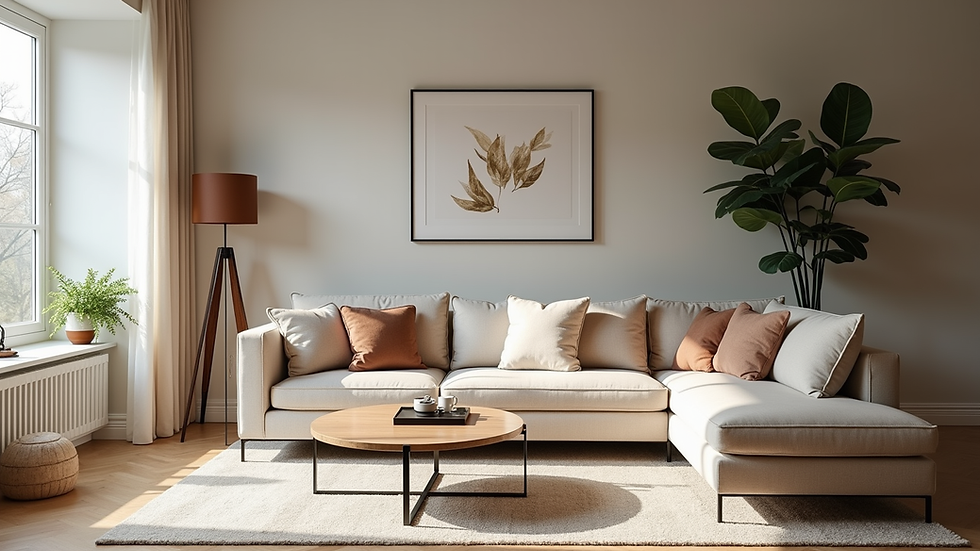
For a family-oriented space, consider a living room designed for comfort and functionality. A large sectional sofa can accommodate family movie nights, while a coffee table with storage can keep toys organized. Personal touches, such as family photos and children’s artwork, can be displayed on a gallery wall, making the space feel warm and inviting.
The Minimalist’s Retreat
A minimalist approach can create a serene and clutter-free environment. In this example, a bedroom features a simple platform bed, neutral colors, and a few carefully chosen decor items. The focus is on quality over quantity, with each piece serving a purpose. This design reflects a lifestyle that values simplicity and tranquility.
Conclusion
Personalized design is about creating spaces that resonate with your lifestyle and values. By understanding your needs, assessing your daily routines, and incorporating elements that reflect your personality, you can transform any space into a true reflection of who you are. Remember, your environment should inspire and support you, making it a place where you feel at home.
As you embark on your personalized design journey, take the time to explore your options and let your creativity shine. Your space is a canvas waiting to be filled with your unique story. Start today and create a home that truly reflects your lifestyle!

Comments